Historyചരിത്രം
Some of this is documented. Some of it survives only as tradition, carried forward by people who were told it by people before them. Where the record ends and memory begins is marked here, not smoothed over.
c. 1000 BCE – 500 CE
·മഹാശിലായുഗം
documentedThe megalithic burial urns
നന്നങ്ങാടികൾ
Nannangadis — megalithic burial urns found in the panchayat's northern areas — are remains of the Megalithic Culture that existed in Kerala between the 10th century BCE and the 5th century CE. Full or partial skeletal remains were interred in these large clay urns, along with iron implements, grain and small black-and-red pottery for use in the afterlife, a practice often compared to Egyptian mummification. Local legend tells of elders who lived to 120 or 130, said to shrink with age, laid to rest in these urns with food and clothing out of reverence — that account belongs to oral tradition, not the archaeological record.
പഴയന്നൂർ ഗ്രാമപഞ്ചായത്തിന്റെ വടക്കൻ മേഖലകളിൽ കണ്ടെത്തിയ നന്നങ്ങാടികൾ, ബി.സി. പത്താം നൂറ്റാണ്ടിനും എ.ഡി. അഞ്ചാം നൂറ്റാണ്ടിനും ഇടയിൽ കേരളത്തിൽ നിലനിന്നിരുന്ന മഹാശിലായുഗ സംസ്കാരത്തിന്റെ അവശേഷിപ്പുകളാണ്. മൃതദേഹങ്ങളോ അസ്ഥികളോ ഈ വലിയ മൺഭരണികളിൽ അടക്കം ചെയ്യുകയും, പരലോകത്ത് ഉപയോഗിക്കാൻ ഇരുമ്പായുധങ്ങളും ധാന്യങ്ങളും കറുപ്പും ചുവപ്പും നിറമുള്ള മൺപാത്രങ്ങളും നിക്ഷേപിക്കുകയും ചെയ്തിരുന്നു — ഈജിപ്ഷ്യൻ മമ്മികളുമായി പലപ്പോഴും താരതമ്യം ചെയ്യപ്പെടുന്ന ഒരു സമ്പ്രദായം. 120-130 വയസ്സുവരെ ജീവിച്ച കാരണവന്മാർ വാർദ്ധക്യത്തിൽ ചുരുങ്ങുമെന്നും, ആദരവോടെ ഭക്ഷണവും വസ്ത്രവുമായി ഭരണികളിൽ അടക്കുമെന്നും ഒരു നാട്ടുവിശ്വാസമുണ്ട് — ഇത് പുരാവസ്തുരേഖയല്ല, വാമൊഴി പാരമ്പര്യമാണ്.
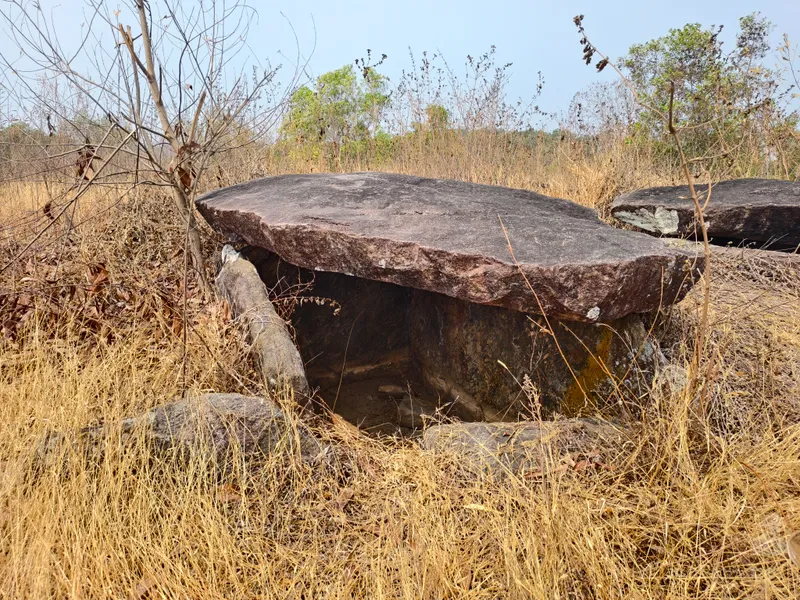
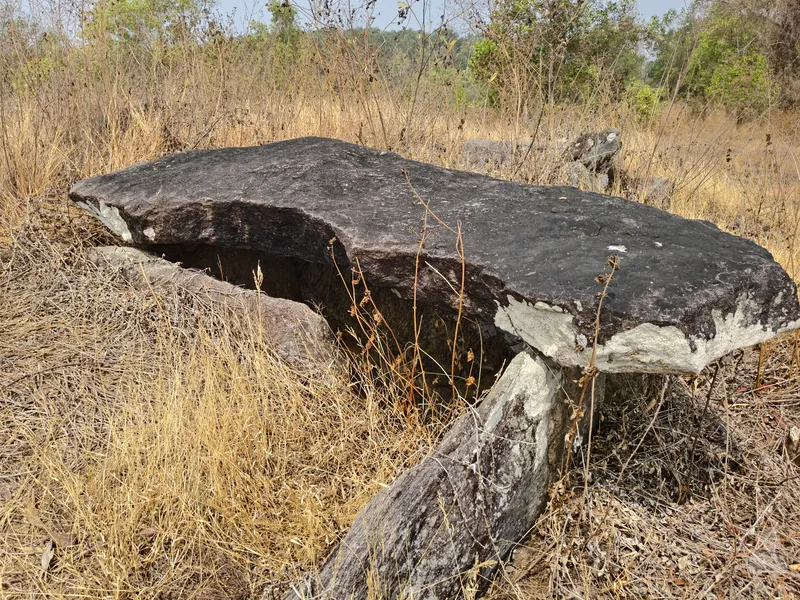
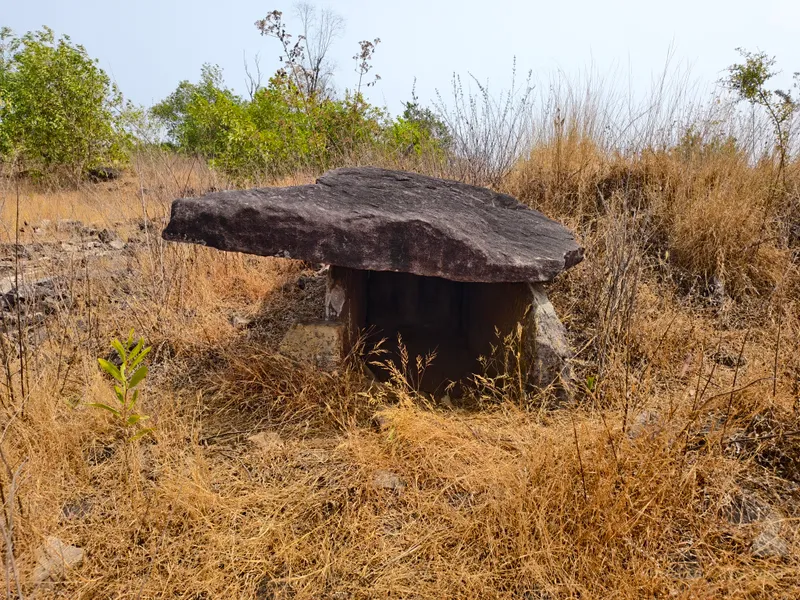
Nannangadis at a megalithic site in Pazhayannur's northern areas · പഴയന്നൂരിന്റെ വടക്കൻ മേഖലയിലെ നന്നങ്ങാടികൾ
Origins
·പേരിന്റെ പിറവി
oral traditionPazhayan, and a deity from Kashi
പഴയനും കാശിയിൽ നിന്നുള്ള ദേവിയും
Local tradition offers two accounts of the name. One holds it comes from Pazhayan, a toddy trader granted this land as his birthright by the Kollans (blacksmiths) of the old Thanjavur dynasty — the settlement was first called Pazhayannur after him. A separate temple tradition holds that an ailing Kochi Maharaja, returning from penance at Kashi, installed his family deity here beside the old Pallipuram shrine, in a place then known as Puranapuri — believed to be the origin of today's Pazhayannur; the connection between the Kochi royal family deity, the kingdom's emblem, and the Pazhayannur temple is offered as evidence.
പഴയ തഞ്ചാവൂർ രാജവംശത്തിലെ കൊല്ലൻമാർ അവരുടെ കൊട്ടാരത്തിലെ മധു വിഭാഗ തലൈവന് ജന്മാവകാശം നൽകിയ സ്ഥലമാണ് ഇവിടം എന്ന് പറയപ്പെടുന്നു — ഈ ഊരിന്റെ പേര് പഴയന്നൂര് എന്നും കാലക്രമേണ പഴയന്നൂർ ആയി എന്നും സ്ഥലനാമചരിത്രം സൂചിപ്പിക്കുന്നു. കാശിയിൽ ഭജനമിരുന്നു മടങ്ങിയ കൊച്ചി രാജാവ് തന്റെ ഇഷ്ടദേവതയെ പള്ളിപ്പുറത്തപ്പന്റെ സമീപം പ്രതിഷ്ഠിച്ചു എന്ന മറ്റൊരു ക്ഷേത്രപാരമ്പര്യവുമുണ്ട്.
c. 1790
·ടിപ്പുവിന്റെ പടയോട്ടം
oral traditionThe women of Kuttadanthodu
കുട്ടാടൻതോട്
When Tipu Sultan's forces marched from Thrithankali (Kondazhi) toward Pazhayannur, the Thenayi Manakkar who then held Elanad fled in fear, abandoning their holdings — local tradition holds this is why the area came to be known first as Eranad, then Elanad. The women of Pazhayannur met the army head-on at Kuttadanthodu armed with brooms, winnows and pestles, and drove them back defeated. Weapons and building remains were recovered from the site in the first half of the 20th century.
ടിപ്പുവിന്റെ സൈന്യം കൊണ്ടാഴിയിൽ നിന്ന് പഴയന്നൂരിലേക്ക് നീങ്ങിയപ്പോൾ എളനാട് ഭരിച്ചിരുന്ന തേനായി മനക്കാർ ഭയന്ന് എല്ലാം ഉപേക്ഷിച്ച് ഓടിപ്പോയി — അതിനാലാണത്രെ ഈ പ്രദേശം ഏറനാട് എന്നും പിന്നീട് എളനാട് എന്നും അറിയപ്പെടാൻ തുടങ്ങിയത്. പഴയന്നൂരിലെ സ്ത്രീകൾ ചൂലും മുറവും ഉലക്കയുമായി കുട്ടാടൻതോട്ടിൽ വെച്ച് സൈന്യത്തെ നേരിട്ട് പിന്തിരിപ്പിച്ചു. ഇരുപതാം നൂറ്റാണ്ടിന്റെ ആദ്യപകുതിയിൽ യുദ്ധോപകരണങ്ങളും കെട്ടിടാവശിഷ്ടങ്ങളും ഇവിടെനിന്ന് കണ്ടെടുത്തു.
Early transport era
·ഗതാഗത ചരിത്രം
documentedFrom mud roads to the Kochi bridge
ചെമ്മൺ പാതകൾ മുതൽ കൊച്ചിപ്പാലം വരെ
Travel here once meant mud roads, bullock carts and bow-fitted carts — one route east to Alathur Taluk, another north to Thiruvilwamala, both later paved with stone. The Kochi bridge marked the clearest turning point in Pazhayannur's transport history; roads were tarred afterward, and a stone-paved road to Elanad followed.
പ്രധാനമായും ചെമ്മൺ റോഡുകൾ മാത്രമായിരുന്നു പണ്ടുകാലത്ത് ഇവിടത്തെ യാത്രാപാത — വില്ലുവെച്ച വണ്ടികളും കാളവണ്ടികളും ആയിരുന്നു സവാരിക്ക്. കിഴക്കോട്ട് ആലത്തൂർ താലൂക്കുമായും വടക്കോട്ട് തിരുവില്വാമല പഞ്ചായത്തുമായും ബന്ധിപ്പിക്കുന്ന ചെമ്മൺ പാതകൾ പിന്നീട് കല്ല് വിരിച്ചു. കൊച്ചിപ്പാലമാണ് പഴയന്നൂരിന്റെ ഗതാഗതരംഗത്ത് ഏറ്റവും പ്രകടമായ പുരോഗതിയുണ്ടാക്കിയത്; തുടർന്ന് റോഡുകൾ ടാർ ചെയ്യുകയും എളനാടുമായി ബന്ധിപ്പിക്കുന്ന കല്ല് വിരിച്ച പാത നിലവിൽ വരികയും ചെയ്തു.
1912 onward
·നവോത്ഥാനം
documentedLandlords, and the struggle against them
ജന്മിത്വവും കർഷക സമരങ്ങളും
Feudal tenancy and untouchability weighed heavily on the town. Organised peasant struggles for a minimum wage followed. The ALP School at Kunnathara, opened in 1912, was the first school here.
ജന്മിത്വവും അയിത്തവും ഈ നാടിനെ ഏറെ വലച്ചു. മിനിമം കൂലിക്കായുള്ള കർഷക സമരങ്ങൾ ശക്തമായിരുന്നു. 1912-ൽ ആരംഭിച്ച കുന്നത്തറ എ.എൽ.പി. സ്കൂളാണ് ഇവിടത്തെ ആദ്യ വിദ്യാലയം.
Independence movement
·സ്വാതന്ത്ര്യ സമരം
documentedVoices against feudal and colonial rule
ജന്മിത്വത്തിനും ബ്രിട്ടീഷ് ഭരണത്തിനും എതിരെ
As upper-caste feudal power and British colonial rule bore down on Pazhayannur, Aachattil Kunjikrishna Menon and Thazhathekkalam Radhakrishnan Nair led the freedom movement here. Aachattil Narayanankutty Menon gave up a job abroad to join the cause, and was instrumental in carrying its message across the town.
സവർണ്ണ ജന്മി മേധാവിത്വവും ബ്രിട്ടീഷ് കിരാത ഭരണവും താണ്ഡവമാടിയ കാലത്ത്, ശ്രീ. ആച്ചാട്ടിൽ കുഞ്ഞികൃഷ്ണ മേനോനും ശ്രീ. താഴത്തേക്കളം രാധാകൃഷ്ണൻ നായരും ഇവിടെ സ്വാതന്ത്ര്യ സമര നേതൃത്വം നൽകി. ശ്രീ. ആച്ചാട്ടിൽ നാരായണൻകുട്ടി മേനോൻ തന്റെ വിദേശ ജോലി ഉപേക്ഷിച്ചാണ് ഈ പ്രസ്ഥാനത്തിലേക്ക് വന്നത്; സന്ദേശം പഴയന്നൂരിലെങ്ങും എത്തിക്കുന്നതിൽ അദ്ദേഹത്തിന്റെ പങ്ക് നിസ്തുലമാണ്.
Post-independence
·സ്വാതന്ത്ര്യാനന്തരം
documentedThe institutions one public life built
ഒരു പൊതുപ്രവർത്തകന്റെ സ്ഥാപനങ്ങൾ
Aachattil Narayanankutty Menon — who later presided over the panchayat committee — is remembered for the Pazhayannur Sub Registrar Office, the Government Hospital, the Block Office (then the NES Block), the panchayat office in Pazhayannur town (now the Golden Jubilee building), Pazhayannur High School, and the Kodathur Lift Irrigation Project.
പഴയന്നൂർ സബ് രജിസ്ട്രാർ ഓഫീസ്, സർക്കാർ ആശുപത്രി, ബ്ലോക്ക് ഓഫീസ് (അന്നത്തെ എൻ.ഇ.എസ്. ബ്ലോക്ക്), പഴയന്നൂർ ടൗണിലെ പഞ്ചായത്ത് ഓഫീസ് (ഇപ്പോഴത്തെ സുവർണ്ണ ജൂബിലി മന്ദിരം), പഴയന്നൂർ ഹൈസ്കൂൾ, കോടത്തൂർ ലിഫ്റ്റ് ഇറിഗേഷൻ പദ്ധതി എന്നിവ ശ്രീ. ആച്ചാട്ടിൽ നാരായണൻകുട്ടി മേനോന്റെ പ്രവർത്തനങ്ങളുടെ എന്നും നിലനിൽക്കുന്ന സ്മാരകങ്ങളാണ് — പിന്നീട് അദ്ദേഹം പഞ്ചായത്ത് പ്രസിഡന്റുമായി.
1947–48
·വിദ്യാഭ്യാസ വളർച്ച
documentedA second school, and a high school
രണ്ടാമത്തെ വിദ്യാലയവും ഹൈസ്കൂളും
A private school opened at Vadakkethara in 1947. It became a government institution the following year and started high school classes — Pazhayannur Government High School, established in 1948.
1947-ൽ വടക്കേത്തറയിൽ സ്വകാര്യമേഖലയിൽ ഒരു സ്കൂൾ സ്ഥാപിതമായി. അടുത്ത വർഷം ഇത് സർക്കാർ സ്ഥാപനമായി മാറുകയും ഹൈസ്കൂൾ ക്ലാസുകൾ ആരംഭിക്കുകയും ചെയ്തു — 1948-ൽ സ്ഥാപിതമായ പഴയന്നൂർ ഗവ. ഹൈസ്കൂൾ.
Land reform era
·ഭൂപരിഷ്കരണ കാലം
documentedThe end of the janmi-kudiyan system
ജന്മി-കുടിയാൻ സമ്പ്രദായത്തിന്റെ അന്ത്യം
Kerala's land reform law dismantled the landlord-tenant system here as elsewhere. Tenant farmers who had leased land from janmis became smallholders, and the old paddy-farming and irrigation practices changed as land was divided into smaller holdings.
ഭൂപരിഷ്കരണനിയമം നിലവിൽ വന്നതോടെ ജന്മി-കുടിയാൻ സമ്പ്രദായം ഇവിടെയും തകർന്നു. ജന്മിമാരിൽ നിന്ന് പാട്ടത്തിനെടുത്ത് കൃഷി ചെയ്തിരുന്ന കുടിയാന്മാർ ചെറുകിട കർഷകരായി മാറി; ഭൂമി തുണ്ടുതുണ്ടായതോടെ പഴയ ജലസേചനരീതികൾക്കും മാറ്റം വന്നു.